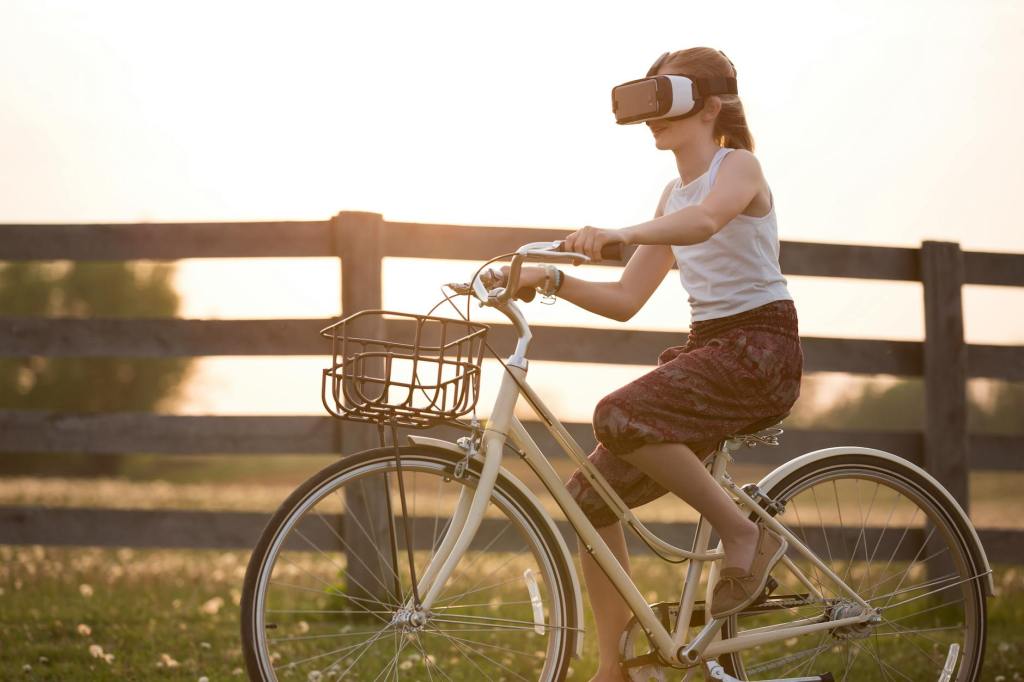
The travel industry is no stranger to innovation, and virtual reality (VR) is the latest technology making waves. While VR has long been linked to gaming, its potential in travel is becoming increasingly clear. According to a new white paper from EyeforTravel, titled ‘Does Virtual Reality Have a Place in Travel?’, the answer is a resounding yes.
The Rise of Virtaual Reality
In 2016, the VR market saw significant growth, with 1.5 million dedicated VR headsets shipped worldwide. PlayStation VR led the market with 745,000 units sold. HTC Vive sold 420,000 units. Oculus Rift sold 355,000 units, and Google Daydream sold 261,000 units. Gaming is still the primary use case for VR. However, the travel industry is starting to explore how VR can enhance the customer experience.
VR device shipments are expected to grow by over 400% between 2017 and 2021. A part of these devices will undoubtedly find their way into the hands of travelers. This growth signals a shift in how travel brands can engage with their audience. It offers immersive experiences that go beyond traditional marketing.
How Travel Brands Are Leveraging VR
Though still in its early stages, several travel brands are already experimenting with VR to create unique and engaging experiences. Here are a few ways VR is being used in the travel industry:
- Virtual Destination Previews
Travelers can now explore destinations before booking. Hotels, resorts, and tourism boards are using VR to provide 360-degree virtual tours of their properties and attractions. This capability allows potential customers to «walk through» a hotel room. They can also stroll along a beach or explore a city’s landmarks. These experiences help them make more informed decisions. - Immersive Travel Experiences
VR is being used to create immersive experiences that transport users to far-off destinations. Airlines and tour operators are offering VR experiences. These simulate flying over the Grand Canyon, diving in the Great Barrier Reef, or hiking through the Amazon rainforest. These experiences not only inspire wanderlust but also help travelers visualize their dream vacations. - Enhanced Travel Planning
Travel agencies are incorporating VR into their planning process. This allows customers to virtually visit multiple destinations. They can then compare options. This interactive approach makes the planning process more engaging and personalized. - Training and Education
Beyond customer-facing applications, VR is also being used for staff training. Hotels and airlines are using VR simulations to train employees in customer service. They also use it for safety protocols and operational procedures. This ensures a higher standard of service.
The Future of VR in Travel
While VR is still in its infancy within the travel industry, its potential is undeniable. As technology becomes more accessible and affordable, we can expect to see even more innovative applications. From virtual travel agents to VR-powered travel apps, the possibilities are endless.
The EyeforTravel white paper highlights that VR is not just a passing trend. It is a transformative tool that can reshape how travelers research their journeys. It also affects how travelers plan and experience their journeys. The industry is continuing to embrace this technology. Travel brands that adopt VR early will have a competitive edge in attracting customers. They will also excel in retaining them.
Here’s an inspiring table that highlights the key applications of Virtual Reality (VR) in the travel industry, showcasing how this technology is transforming the way brands engage with customers and enhance their experiences:
| Application of VR in Travel | How It Inspires | Example |
|---|---|---|
| Virtual Destination Previews | Inspires wanderlust by allowing travelers to explore destinations before booking. | A 360° virtual tour of a luxury resort in Bali. |
| Immersive Travel Experiences | Sparks curiosity and excitement by simulating unique adventures. | VR experience of skydiving over Dubai or snorkeling in the Maldives. |
| Enhanced Travel Planning | Empowers travelers to make confident, informed decisions. | Virtually comparing hotel rooms or cruise cabins before booking. |
| Virtual Cultural Immersion | Encourages cultural understanding and connection. | Exploring the Louvre Museum in Paris or walking through Kyoto’s temples. |
| Training for Travel Staff | Inspires excellence in service by providing realistic training scenarios. | VR simulations for flight attendants or hotel staff to practice customer service. |
| Accessible Travel for All | Inspires inclusivity by enabling virtual travel for those with physical limitations. | A wheelchair user virtually hiking Machu Picchu. |
| Sustainable Travel Promotion | Inspires eco-conscious travel by showcasing sustainable destinations. | VR tours of eco-lodges or wildlife conservation projects. |
| Virtual Travel Agents | Inspires convenience by offering personalized, interactive travel consultations. | A VR-powered app that suggests destinations based on user preferences. |
This table highlights the practical uses of VR in travel. It also emphasizes how VR inspires travelers and brands alike to think bigger. They can dream bolder and explore the world in innovative ways.
Conclusion
Virtual reality is no longer confined to the realm of gaming. It’s making its mark in the travel industry, offering immersive experiences that captivate and inspire travelers. As VR technology evolves, its applications in travel will only expand. This evolution opens up new opportunities for brands to connect with their audience in meaningful ways.
Stay ahead of the curve by exploring how VR can enhance your travel offerings. The future of travel is virtual, and it’s closer than you think.
Source: EyeforTravel – How Travel Brands Are Using Virtual Reality
 Estrategias efectivas para tu negocio.
Deja un comentario