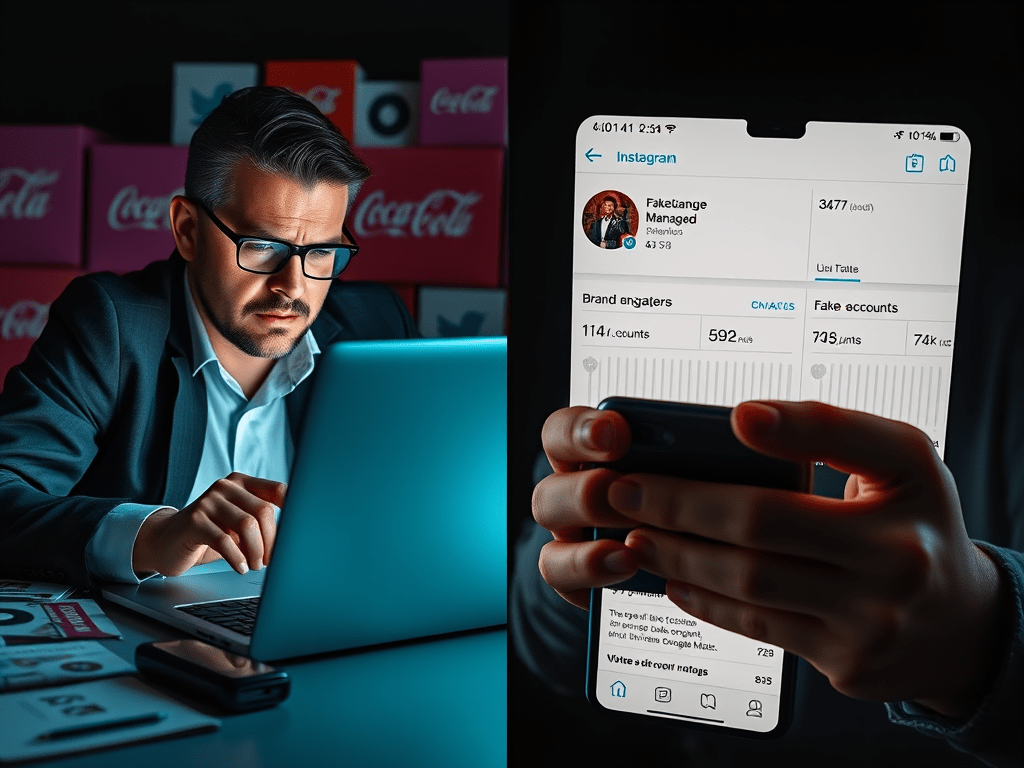
Consumer goods giant Unilever has recently taken a bold stance: it is distancing itself from “influencer marketers” who inflate their social media reach through misleading practices. Could this be a turning point—a kind of brand backlash—where companies begin to push back against unscrupulous influencers? And if so, does this spell trouble even for authentic creators who build followings with integrity?
The Rise—and Peril—of the Influencer Economy
We’ve all heard the stories by now: social media personalities, often dubbed “influencers,” can command staggering sums to promote consumer brands. In certain cases, an influencer with a million (or more) followers can charge $20,000 or more for a single sponsored post, according to data from the social insights firm Captiv8. (That figure may vary by industry, niche, region, and engagement rate, but it underscores the scale of opportunity.)
Over time, some influencers have become micro-celebrities in their own right. Their photos, videos, and endorsements carry real weight among audiences seeking recommendations, lifestyles, or aspirational cues. Brands have rushed in to harness this rising power: pushing for authenticity, higher returns on marketing spend, and social proof through influential advocates.
Yet as the influencer marketing space swells, cracks are appearing beneath the sheen.
The Problem of Fake Reach and Artificial Engagement
One of the foundational metrics for assessing influencers is engagement—that is, how many likes, shares, comments, and interactions a post gets relative to the follower base. But what happens when that metric is manipulated?
A growing number of influencers are accused of buying followers (often from firms that generate bots or fake accounts) or using services that auto-generate likes and comments to simulate high engagement. These deceptive practices inflate perceived influence, making it harder for brands to distinguish real impact from false numbers.
When a brand pays for a campaign expecting genuine reach and engagement—but gets bots and ghost accounts instead—the return on investment collapses. Over time, as more campaigns fail to deliver, trust erodes. Brands grow wary, asking whether they might be paying top dollar for illusions.
This is precisely the environment in which Unilever is drawing a sharp line. It is pushing back against influencers who attempt to game the system. The move signals that some brands are no longer content to “hope for the best” — they want accountability and verifiable results.
Is This the Start of a Brand Backlash?
Unilever’s shift is arguably symbolic: it suggests that companies are becoming more discerning, more critical of influencer marketing’s dark side. The question is: will other brands follow? And how will the influencer ecosystem respond?
If a broader trend emerges—where brands begin penalizing influencers for inflated metrics, demanding audits, or outright rejecting partnerships based on suspicious patterns—then yes, we might be seeing the start of a backlash.
For genuine influencers—those who have built audiences through consistent effort, strong content, and community trust—this could present both risk and opportunity. Risk because brands may grow skeptical overall; opportunity because trust, transparency, and authenticity become more valuable. Those with clean practices might gain a competitive edge.
Signs of Shifting Standards
To understand how imminent this backlash could be, consider a few trends and warning signs:
- Stricter vetting by brands
More forward-thinking brands are requiring evidence of real reach: screenshots from analytics dashboards, third-party audits, or tools that detect bots and fake followers. - Rise of micro- and nano-influencers
Instead of focusing on “huge reach,” brands are increasingly looking to smaller influencers whose audiences are more engaged and whose influence feels grounded. These relationships often cost less and deliver more authentic responses. - Algorithm shifts and platform crackdowns
Platforms like Instagram, TikTok, and YouTube periodically adjust their algorithms to penalize inorganic behavior (spam, bots, etc.). When they do, influencers relying on manipulative tactics often see dramatic drops in visibility. - Emerging reputational risk
For an influencer exposed for inflating their metrics, the fallout can be serious: loss of credibility, severed brand ties, and skeptical audiences. Over time, as such stories accumulate, brands may become more cautious by default. - Brands rethinking long-term commitment
Instead of one-off campaigns, some brands are developing longer-term partnerships with influencers. The idea: if you invest in a consistent relationship, you can better assess authenticity, performance, and alignment.
Challenges for Genuine Influencers
If brands become more cautious, influencers—even those who play fair—could face headwinds. Some of the challenges include:
- Increased scrutiny and friction
Legit creators may have to share analytics, allow audits, or accept tighter contractual terms. Some may balk at giving away metrics or exposing audience data. - Greater competition from non-celebrity voices
As brands shift toward micro- and nano-influencers, mega-influencers may find themselves competing with dozens of niche voices who are more affordable and more trusted. - Pressure to diversify income streams
Relying solely on sponsored posts might become riskier. Influencers may feel compelled to branch into other revenue models—merchandise, digital products, subscriptions, affiliate marketing, or services. - Maintaining audience trust
If audiences sense that the influencer is constantly selling, or not disclosing sponsorships correctly, engagement and credibility may erode. The margin for error tightens. - Platform changes and algorithm turbulence
Overreliance on any one social platform is always risky. As algorithms shift, even high-performing creators can see sudden drops.
What Brands Should Ask—and What Influencers Should Offer
As brands and influencers navigate this emerging tension, both sides must adapt with better standards and accountability.
Brands should ask:
- Can you provide reliable, third-party analytics?
- What percentage of your followers are from target regions / active accounts?
- Can you show historical engagement trends (not just snapshots)?
- Are you willing to enter longer-term, performance-based agreements?
- Do you comply with disclosure laws and platform policies (e.g., #ad, #sponsored)?
Influencers should offer:
- Transparency in metrics (but with privacy protections where needed)
- A mix of content types (stories, video, posts) so you’re not “putting all your eggs in one format”
- Case studies or references from past campaigns
- Audience insights (demographics, behavior)
- Authentic engagement—responding to comments, fostering community
- Ethical practices (no follower buying, no hidden bots)
When both sides push for integrity, the ecosystem strengthens.
Expanded Examples & Context
To make this more concrete, here are additional examples and contexts that illustrate the tension:
- Fake follower scandals
Several high-profile influencers have been exposed for buying fake followers or phantom engagement. The media has sometimes pounced, damaging reputations overnight. - Platform reactions
Instagram, for example, regularly purges fake accounts or flags suspicious behavior. Influencers who rely heavily on those inflated accounts may see abrupt drops in follower counts or visibility. - Brand “walkouts”
The decision by Unilever to step back from influencers who cheat is not entirely isolated. Some brands have paused influencer campaigns amid poor results, or shifted budgets toward more measurable channels, such as search, programmatic, or in-house content. - Niche influencers gaining ground
Suppose you’re a fitness influencer with 15,000 followers and exceptionally high engagement in your specific niche (e.g. morning routines for working parents). For a sports drink brand targeting that demographic, your “reach” might be more valuable than a million-follower lifestyle star with low interaction. - Influencer-led product lines
As influencer margins under pressure for sponsored posts, many have launched their own product lines—fashion, cosmetics, course offerings, digital goods—so that they can derive revenue more directly and reduce the dependence on fluctuating brand deals. - Legal and regulatory risk
Many countries have rules about disclosure of paid advertising (e.g. the U.S. FTC, UK ASA, EU consumer laws). Influencers who fail to mark sponsored content properly can attract fines or reputational damage. Brands, likewise, risk liability if the influencer they partner with violates rules.
What This Means for the Future
We may be witnessing a maturation—or reckoning—in the influencer marketing space. After a period of explosive growth, inevitable abuses and shortcut strategies are prompting pushback.
For the ecosystem to survive and thrive, three conditions will likely become essential:
- Transparency & accountability
Brands, influencers, and platforms will need shared standards for validating reach and engagement. Third-party tools might emerge as a kind of “audit authority.” - Emphasis on long-term partnerships
One-off posts may give way to multi-phase collaborations, where trust and performance can be built, measured, and optimized. - Diverse value propositions
Influencers will need to offer more than just a reach number. Community, storytelling, creative assets, formats (video, audio, live), and IP (merch, courses) will matter more.
In this shifting landscape, the genuine, ethical influencers—those who have built real communities, engaged honestly, and respected their audiences—may emerge not as casualties but as beneficiaries. As undercuts and cheats are weeded out, authenticity could be what commands premiums again.
But there is risk: if brands overreact and treat all influencers with suspicion, or if metrics demand become excessive, some promising creators might be unfairly penalized. The balance is delicate.
 Estrategias efectivas para tu negocio.
Deja un comentario