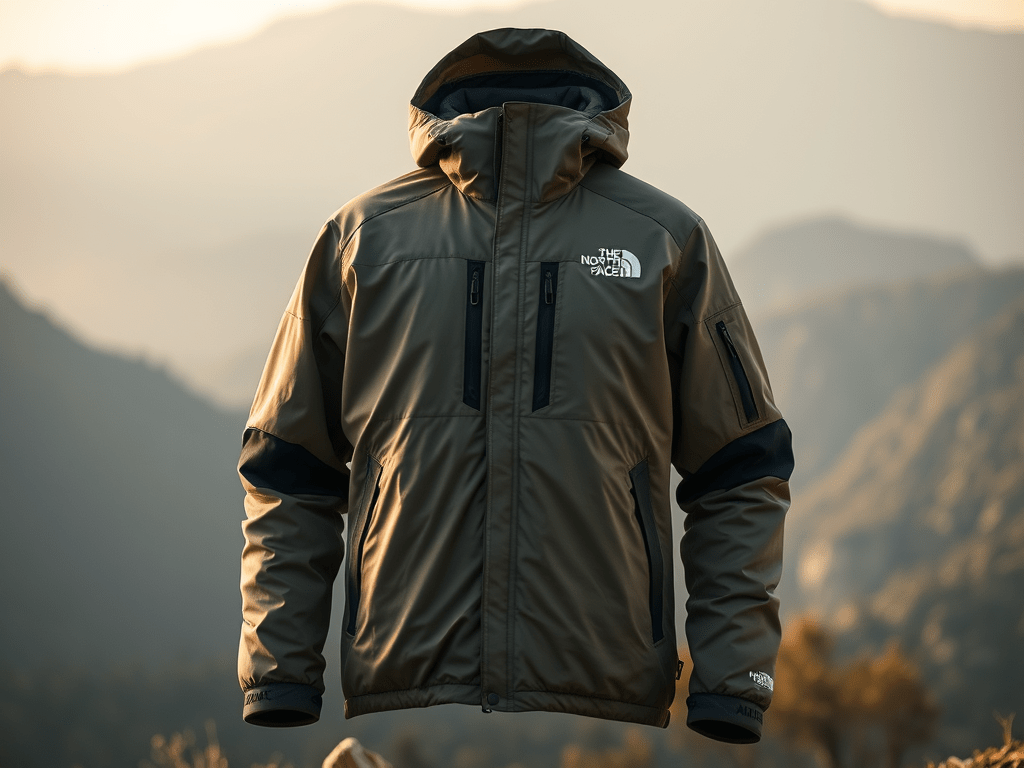
The fashion industry generates 92 million tons of waste annually, with less than 15% of textiles recycled. In response, The North Face launched its Renewed program in 2018—a pioneering effort to refurbish and resell pre-owned outerwear. This circular economy model combats waste while offering affordable, high-performance gear. Seven years later, the initiative has evolved into a blueprint for sustainable retail.
How the Renewed Program Works
Collection & Sorting:
Customers return used coats via brand stores or mail. Items are rigorously inspected for damage and material quality.
Refurbishment Process:
- Cleaning: Specialized eco-friendly detergents remove stains.
- Repair: Torn seams, broken zippers, and insulation are restored.
- Re-Waterproofing: DWR (Durable Water Repellent) coatings are reapplied.
Quality Assurance & Resale:
Refurbished coats undergo third-party testing for performance and durability. Approved items are sold online at 15–30% discounts, backed by a 1-year warranty.
Environmental & Economic Impact
| Metric | Impact | Industry Context |
|---|---|---|
| Waste Reduction | 3,200+ tons diverted from landfills (2018–2025) | Textiles account for 7% of global landfill waste |
| CO2 Savings | 65% lower footprint vs. new production | Manufacturing 1 jacket emits ~20kg CO2 |
| Resource Conservation | Saves 10,000+ liters of water per 100 jackets | New down jacket requires 120L water |
| Consumer Savings | 25% average discount on premium products | Fast fashion dominates low-cost segment |
Case Study: The Thermoball Eco Jacket
- Original Price: $200
- Renewed Price: $150
- Refurbishment Steps:
- Replaced damaged zipper.
- Restored elbow padding.
- Applied PFC-free waterproofing.
- Outcome:
- 8,200+ units resold since 2020.
- Equivalent to saving 1.2 million liters of water vs. new production.
Industry Challenges & Innovations
- Hurdles:
- Scaling collection logistics.
- Consumer skepticism about refurbished quality.
- Solutions:
- Partnered with TerraCycle for global take-back systems.
- Blockchain tracing for transparency in refurbishment history.
- «Try-On Tech» AR tools to visualize repaired flaws.
Future Vision: 2025 and Beyond
- Expansion: Adding ski gear, backpacks, and tents to Renewed.
- Tech Integration: AI-driven damage assessment to accelerate processing.
- Global Goals: 30% of revenue from circular products by 2030.
Why This Model Matters
The Renewed program proves sustainability and profitability can coexist:
- For Brands: Builds loyalty among eco-conscious consumers (73% of Gen Z prioritize sustainable brands).
- For Consumers: Access to premium gear at lower cost.
- For the Planet: Cuts resource extraction and landfill overflow.
«The future of retail isn’t just selling new products—it’s extending the life of what already exists.»
— The North Face Sustainability Report, 2025
Final Takeaway
The North Face’s initiative transcends a niche eco-project—it reshapes how the outdoor industry approaches waste. By marrying innovation with environmental stewardship, Renewed sets a benchmark for circular commerce, proving that even well-worn gear can embark on a second life.
Sources: Ellen MacArthur Foundation (2024), The North Face Impact Reports (2018–2025), Textile Exchange (2023).
 Estrategias efectivas para tu negocio.
Deja un comentario