Strategic logic meets imperfect timing in the packaged-foods industry
Rumors of a potential merger between The Kraft Heinz Company and Campbell Soup Company have resurfaced several times in recent years, sparking debate among analysts, investors, and industry insiders. On paper, the deal looks like a union between two iconic players with complementary strengths: Kraft Heinz, a global powerhouse in sauces, condiments, and processed foods; and Campbell, an American staple best known for soups but with a quietly growing snacks empire.
However, as analysts have pointed out, the devil is in the details. The logic of such a deal depends heavily on what Kraft Heinz would actually be buying and why—and just as crucially, when it would happen.
According to Carolina Alfero, a senior analyst at Euromonitor International, a merger could make sense “only if Kraft Heinz is primarily targeting Campbell’s snack portfolio rather than its traditional soup business.” Timing, she added, might still be an obstacle.
The legacy problem: Campbell’s core business is losing steam
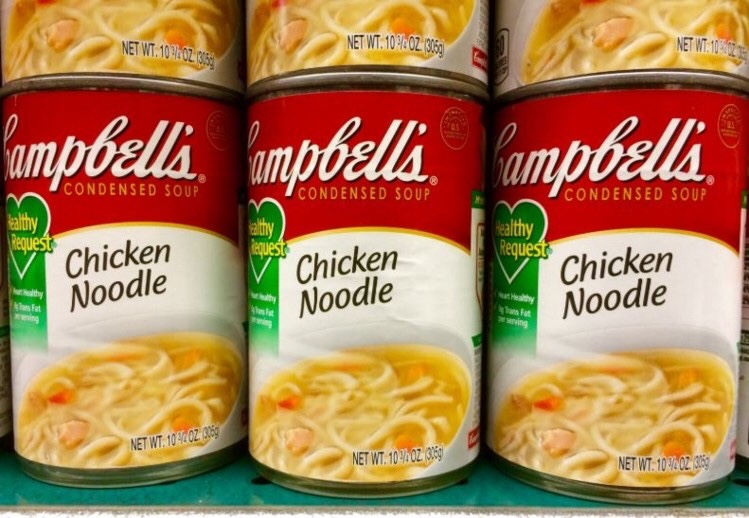
For decades, Campbell Soup Company’s red-and-white cans symbolized comfort and convenience for U.S. families. But shifting consumer habits have eroded that dominance. Younger generations have gravitated toward fresh, organic, and ready-to-eat alternatives, leaving canned soup sales stagnant or declining.
By early 2018, Campbell’s U.S. soup category was shrinking by nearly 7%, and soups’ share of the company’s overall business had fallen from 35% to 27%. Even after decades of brand equity, soups were becoming an anchor, not a growth engine.
Meanwhile, Campbell’s efforts to diversify—through sauces, beverages, and packaged foods—had delivered uneven results. The company faced rising costs, slower retail traffic, and the same margin pressures that have squeezed the entire U.S. packaged-foods sector.
Kraft Heinz, for its part, was no stranger to these headwinds. Following its 2015 merger, the company pursued an aggressive cost-cutting strategy that delivered short-term profitability but stifled innovation. By 2018, sales were flattening, and investors were clamoring for growth. That dynamic set the stage for acquisition speculation: if Kraft Heinz couldn’t grow organically, perhaps it could buy its way into expansion.
The hidden jewel: Campbell’s growing snacks empire
While Campbell’s soup sales cooled, its snack division quietly emerged as the company’s strongest growth engine. Its $6.1 billion acquisition of Snyder’s-Lance Inc. in 2017, combined with the long-standing success of Pepperidge Farm, transformed Campbell into a top-tier player in the North American snacks market.
That bet has paid off. Campbell’s snack portfolio—ranging from Goldfish crackers to Cape Cod chips and Snyder’s pretzels—has grown roughly 50% over five years and now accounts for nearly half of the company’s total net sales. In the U.S. market, where snacking is increasingly replacing traditional meals, that trend positions Campbell squarely in the sweet spot of consumer behavior.
If Kraft Heinz were to acquire Campbell with the explicit goal of gaining control of that snack business, analysts argue it could instantly reposition Kraft Heinz in a high-growth category. “If they are aware that the biggest opportunity is in the snack category—as opposed to shelf-stable soups—I would agree that this acquisition could make sense,” Alfero told FoodNavigator-USA.
Why snacks make strategic sense for Kraft Heinz
The potential synergies are significant:
- Portfolio diversification: Kraft Heinz’s portfolio is heavy on condiments, sauces, cheese, and ready-meals—categories with limited growth prospects. Snacks, by contrast, are expanding globally, driven by convenience, portability, and health-oriented reformulation.
- Distribution leverage: Kraft Heinz already commands powerful shelf space and retail relationships. Integrating Campbell’s snacks could create a powerhouse across grocery, club, and convenience channels.
- Innovation pipeline: Campbell’s snacks division has shown greater agility in developing on-trend products—such as baked, gluten-free, and protein-enhanced items—traits that Kraft Heinz has struggled to cultivate internally.
- Cross-marketing potential: Merging Kraft Heinz’s brand power (Heinz Ketchup, Kraft Mac & Cheese, Lunchables) with Campbell’s snack labels could unlock new meal and snacking occasions, both at home and on-the-go.
In essence, acquiring Campbell’s snack business would allow Kraft Heinz to pivot from “center-of-the-store” dependence toward the fast-growing, higher-margin world of packaged snacks—a shift that nearly every major food conglomerate is pursuing.
The timing trap: financial and operational constraints
Yet even if the strategic logic is compelling, analysts remain skeptical about the timing.
1. Integration fatigue. Kraft Heinz has a mixed record with large integrations. Its own merger—engineered by 3G Capital and Berkshire Hathaway—yielded billions in cost savings but limited brand revitalization. Many analysts argue that the company still needs to stabilize operations before absorbing another large portfolio.
2. Financial discipline. Following years of underinvestment in innovation, Kraft Heinz has faced profitability challenges and a credit-rating downgrade. A multibillion-dollar acquisition could strain balance-sheet flexibility and invite shareholder scrutiny.
3. Market headwinds. Both companies operate in categories under structural pressure. Even with snacks showing growth, input costs, retailer consolidation, and changing shopper behaviors pose ongoing challenges. Paying a premium for Campbell during uncertain consumer trends could be risky.
4. Cultural fit. Kraft Heinz’s reputation for aggressive cost-cutting may clash with Campbell’s more brand-nurturing culture. Integration missteps could damage the very snack assets Kraft Heinz would be seeking to leverage.
The broader food-industry context
The potential Kraft Heinz–Campbell scenario also highlights a larger narrative in the packaged-foods world: legacy giants are scrambling to adapt to the new rules of consumer engagement.
- The shift to “better-for-you” snacking. Consumers now snack more frequently but expect cleaner labels, plant-based options, and functional ingredients. Companies that can innovate quickly in this space capture loyalty that traditional meals no longer command.
- The rise of premium and niche brands. Smaller, founder-led brands are outpacing large conglomerates by being authentic, transparent, and digital-first. A Kraft Heinz–Campbell deal would need to balance scale with that sense of agility.
- E-commerce disruption. Snack categories have adapted faster to online and direct-to-consumer sales, a channel Kraft Heinz has been slow to master. Campbell’s presence in flexible packaging and impulse formats could offer a bridge.
In short, the deal isn’t just about combining two companies—it’s about rewriting what a large, modern food manufacturer must look like to stay relevant.
Alternative scenarios and strategic questions
Even if Kraft Heinz doesn’t pursue a full-scale takeover, several alternative paths could emerge:
- Targeted asset acquisition. Kraft Heinz could acquire Campbell’s snack division outright, allowing both firms to focus on core strengths—snacks for Kraft Heinz, soups and meals for Campbell.
- Joint venture or partnership. The companies could explore co-manufacturing or distribution partnerships to test synergies without full integration risk.
- Private-equity involvement. Activist investors could push for Campbell to divest non-core assets, inviting bidders like Kraft Heinz for select categories.
Each scenario depends on valuation, regulatory scrutiny, and market timing. Campbell’s own shareholder base may resist selling at a discount, especially as its snack assets outperform.
Lessons from past megadeals
History offers both cautionary and encouraging lessons:
- Kraft Heinz’s 2017 attempt to buy Unilever—a $143 billion proposal—collapsed amid concerns about culture clash and strategy misalignment. The fallout reinforced that scale alone doesn’t guarantee synergy.
- Mondelez’s evolution after splitting from Kraft Foods shows how focusing on snacks and global expansion can drive renewed growth.
- General Mills’ 2018 purchase of Blue Buffalo demonstrated that paying a premium for high-growth categories can work—if integration preserves brand authenticity.
For Kraft Heinz, a Campbell acquisition could resemble either outcome. The opportunity is significant, but so are the risks.
Analysts’ bottom line
Most analysts agree that the conceptual rationale behind a Kraft Heinz–Campbell tie-up is defensible—provided the focus remains laser-sharp on snacks. But enthusiasm cools when the conversation turns to timing.
“Campbell is in the middle of a transformation,” Alfero noted. “Its soups business is still declining, and while snacks are growing, they’re not yet mature enough to fully offset those declines. Kraft Heinz might want to wait until that transition stabilizes.”
In other words, even a strategically sound acquisition can become value-destructive if pursued prematurely. For Kraft Heinz, the priority may be to strengthen internal innovation and rebuild organic growth before absorbing another complex portfolio.
A future worth watching
For investors, this potential merger encapsulates the crossroads facing the global packaged-foods sector. Growth is migrating from traditional shelf-stable staples to dynamic, purpose-driven brands that serve modern lifestyles. The companies that win will be those agile enough to pivot—without losing the efficiency that scale provides.
If Kraft Heinz ultimately moves to acquire Campbell, success will hinge on three questions:
- Focus: Is the acquisition truly about snacks, not soups?
- Integration: Can Kraft Heinz protect and accelerate the innovation culture within Campbell’s snack brands?
- Timing: Does the financial and market context support a deal now—or would waiting unlock greater value?
Until those answers become clear, the market will continue to speculate—but the takeaway is already evident: in today’s food industry, even the most iconic names must snack smart to survive.
 Estrategias efectivas para tu negocio.
Deja un comentario