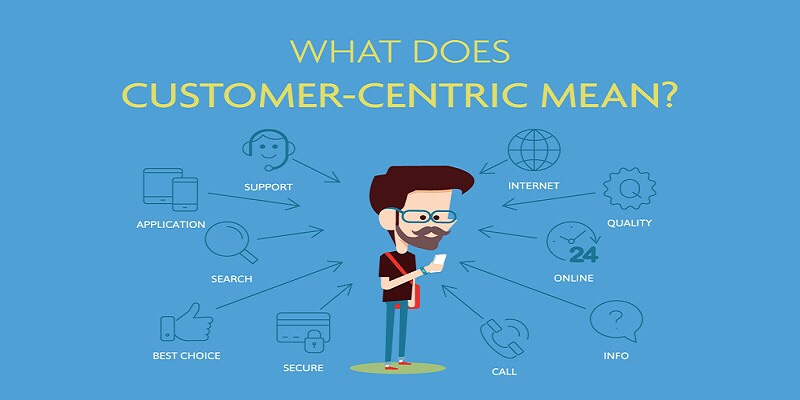
The most important aspect of online marketing is in fact content- no matter what type it may be like it may be of words in a webpage, an , case study or even a white paper. Also, entire point of website or business is delivering valuable content to its site visitors. If your content can’t be found by your audience even with the best content marketing strategy then it becomes useless. Therefore, How to make your content to be found?
Any business person will have the minimum knowledge about the ‘keywords’ and how they help to provide insights and to drive their content strategy. Hence, to build their visibility and to get hold of the right keywords they join hands with a marketing company which provides Digital marketing services. Therefore, Keyword research is an integral part of crafting a successful SEO strategy. Therefore, By Customer centric keyword strategies and research, you can find your audience easily.
Introduction:
In today’s digital era, having a strong online presence is crucial for the success of any business. One of the key elements of a successful online strategy is selecting the right keywords to optimize your website and attract the right audience. However, merely targeting generic keywords may not be enough to stand out from the competition. To truly connect with your customers and drive meaningful engagement, it’s essential to focus on customer-centric keywords. In this blog post, we will explore how you can effectively select customer-centric keywords for your business.
- Understand Your Target Audience: The first step in selecting customer-centric keywords is to gain a deep understanding of your target audience. Start by creating buyer personas that represent your ideal customers. Consider their demographics, interests, pain points, and motivations. By understanding their needs and preferences, you can align your keyword strategy accordingly.
- Conduct Keyword Research: Perform thorough keyword research to identify relevant terms and phrases that align with your customers’ interests. Utilize keyword research tools like Google Keyword Planner, SEMrush, or Moz Keyword Explorer to discover popular search terms related to your industry. Look for long-tail keywords, which are more specific and reflect the intent of your audience.
- Analyze Customer Feedback: Take advantage of customer feedback channels such as surveys, social media comments, and online reviews. Analyze the language and phrases your customers use when discussing your products or services. Pay attention to their pain points, desires, and the benefits they seek. Incorporating their actual words into your keyword strategy will help you create a customer-centric approach.
- Focus on User Intent: Customer-centric keywords should reflect the intent behind a search. Think about the problem your customers are trying to solve or the information they are seeking. Are they looking for product reviews, comparisons, or answers to specific questions? Tailor your keywords to address these intents, ensuring that your content provides relevant and valuable solutions.
- Consider Local Keywords: If your business serves a specific geographical area, incorporating local keywords is crucial. Include location-specific terms in your keyword strategy, such as city names, neighborhoods, or landmarks. This approach will help you attract customers who are actively seeking products or services in their vicinity.
- Keep an Eye on Competitors: Analyze the keywords your competitors are targeting to gain insights into their strategies. Tools like SpyFu or Ahrefs can provide valuable information about the keywords your competitors are ranking for. While you should never copy their strategy outright, understanding their tactics can inspire your own customer-centric keyword selection.
- Refine and Test: Once you have identified a list of potential customer-centric keywords, it’s important to refine and test them. Monitor the performance of your selected keywords over time. Pay attention to click-through rates, conversion rates, and overall engagement metrics. Refine your keyword strategy based on the data you collect, making adjustments as needed to optimize your results.
Example of right keyword strategies
- Problem-Solution Keywords: Identify the main problems or challenges your customers face and create keywords that address those specific issues. For example, if you sell organic skincare products, you might target keywords like «natural remedies for acne,» «gentle cleansers for sensitive skin,» or «how to reduce wrinkles naturally.» By aligning your keywords with the problems your customers are trying to solve, you position yourself as a helpful solution provider.
- Long-Tail Keywords: Long-tail keywords are longer and more specific phrases that capture the intent of your target audience. They often indicate a higher level of purchase intent and can help you attract more qualified leads. For instance, if you run a pet grooming salon, instead of targeting the broad keyword «pet grooming,» you can focus on long-tail keywords like «dog grooming services in [your city],» «cat grooming near me,» or «professional pet grooming for long-haired dogs.» These keywords will help you reach customers who are actively searching for the specific services you offer.
- Brand-Specific Keywords: If your business has a strong brand presence, incorporating brand-specific keywords can be beneficial. This strategy ensures that potential customers who are already aware of your brand can easily find you. For example, if you have a fitness apparel brand called «FitZone,» you might target keywords like «FitZone leggings,» «FitZone workout clothes,» or «buy FitZone activewear.» These keywords help you capture customers who are specifically looking for your brand or products.
- Trending or Seasonal Keywords: Stay up to date with the latest trends and seasonal changes in your industry, and incorporate relevant keywords into your strategy. This allows you to tap into current interests and capitalize on seasonal demand. For instance, if you run a home decor business, you can target keywords like «2023 interior design trends,» «summer patio furniture,» or «holiday home decorations.» By aligning your keywords with what is currently popular or in demand, you can attract customers who are actively seeking the latest trends.
- Review and Comparison Keywords: Many customers conduct thorough research before making a purchase decision. Target keywords that include phrases like «review,» «comparison,» or «best» to capture these information-seeking customers. For example, if you sell digital cameras, you might target keywords like «Canon DSLR camera review,» «Nikon vs. Sony camera comparison,» or «best mirrorless cameras for beginners.» By providing valuable insights and information through your content, you position yourself as a trustworthy resource and increase the chances of converting these customers.
Example of wrong keyword strategies
- Generic Keywords: Targeting overly broad and generic keywords may lead to a high level of competition and make it challenging to attract the right audience. For example, if you have a fitness blog, targeting a keyword like «exercise» or «healthy living» is too generic and may not capture the specific interests or needs of your target audience. Instead, it’s better to focus on more specific and customer-centric keywords such as «home workouts for busy professionals» or «nutritious meal plans for weight loss.»
- Industry Jargon: Using industry-specific jargon or technical terms in your keywords may alienate your customers and make it difficult for them to understand or relate to your content. While it’s important to demonstrate expertise, it’s equally vital to communicate in a way that resonates with your target audience. For example, if you provide financial planning services for individuals, targeting keywords like «retirement investment portfolio diversification» may be too technical. Instead, consider customer-centric keywords such as «how to plan for a comfortable retirement» or «smart money management tips for the future.»
- Vague Keywords: Using vague or ambiguous keywords can result in attracting visitors who may not be genuinely interested in your offerings. For instance, if you have an online shoe store, targeting a keyword like «footwear» may attract a wide range of users, including those looking for information, wholesale suppliers, or even people searching for «barefoot running.» Instead, focus on more specific customer-centric keywords like «comfortable running shoes for women» or «affordable men’s leather dress shoes.»
- Keyword Stuffing: Overusing keywords in an attempt to improve search engine rankings can lead to a poor user experience and may even be penalized by search engines. Keyword stuffing involves excessively repeating keywords throughout your content, making it sound unnatural and spammy. Instead, aim for a balanced and organic use of keywords, focusing on providing valuable and relevant content that naturally incorporates customer-centric keywords.
- Ignoring Local Keywords: If your business caters to a specific local area or region, neglecting to target local keywords can limit your visibility among potential customers in your vicinity. For example, if you have a bakery in Seattle, Washington, targeting generic keywords like «bakery» may not effectively reach your local audience. Instead, include customer-centric local keywords like «best artisan bakery in Seattle» or «gluten-free pastries in downtown Seattle» to attract customers who are specifically searching for bakery products in your area.
Conclusion:
Selecting customer-centric keywords is a powerful way to connect with your target audience, enhance your online visibility, and drive meaningful engagement. By understanding your customers’ needs, conducting thorough research, and incorporating user intent, you can create a keyword strategy that resonates with your audience and helps you achieve your business goals. Keep your strategy agile, and consistently monitor and refine your keywords to stay ahead in the ever-evolving digital landscape.
Recommended reading
HOW TO SELECT CUSTOMER SEARCH CENTRIC KEYWORDS FOR YOUR BUSINESS
 Estrategias efectivas para tu negocio.
Deja un comentario