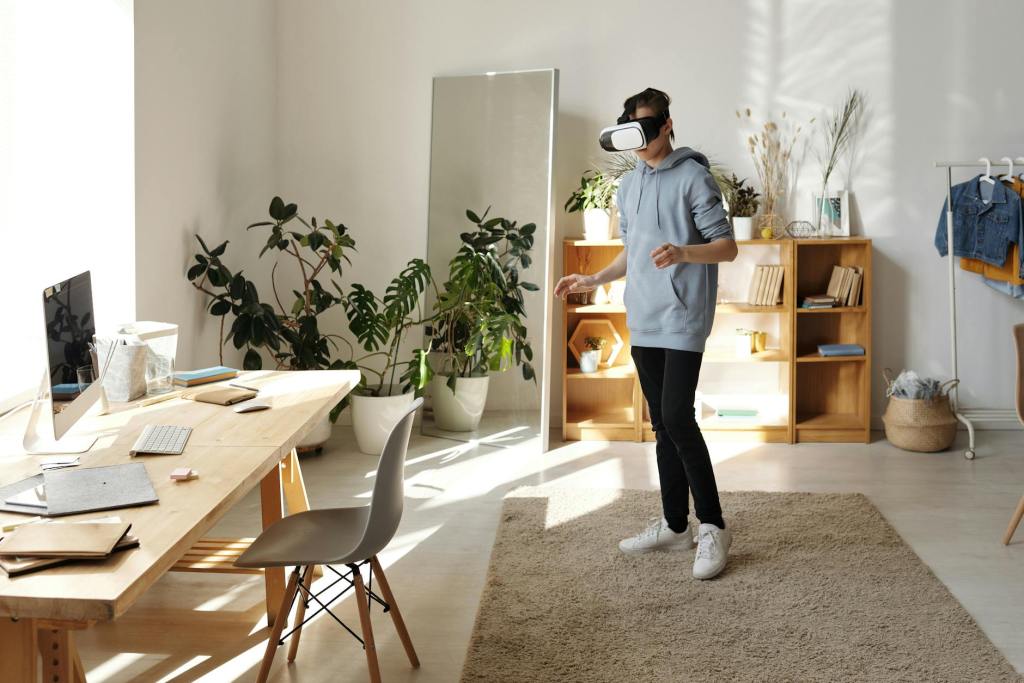
Virtual reality (VR) and augmented reality (AR) are no longer just buzzwords—they’re revolutionizing the way brands connect with their audiences. With technology advancing rapidly and becoming more accessible, businesses are increasingly incorporating VR and AR into their marketing strategies. But what exactly are VR and AR, and how can you leverage them to stand out in 2018? Let’s dive in.
What’s the Difference Between VR and AR?
Before we explore how to use VR in your marketing strategy, it’s important to understand the difference between VR and AR:
- Virtual Reality (VR): VR immerses users in a completely virtual environment, transporting them to another world or dimension. Think of VR headsets like Oculus Rift or HTC Vive.
- Augmented Reality (AR): AR overlays digital content onto the real world, often through a smartphone or tablet camera. A great example is the global phenomenon Pokémon Go.
Both technologies are gaining traction, with the combined economic impact of VR and AR predicted to reach $29.5 billion by 2020. Now is the perfect time to explore how VR can elevate your marketing efforts.
1. Create Immersive Brand Experiences
VR allows you to create unforgettable, immersive experiences that deeply engage your audience. For example, travel companies can use VR to transport potential customers to exotic destinations, letting them “experience” a vacation before booking. Similarly, real estate brands can offer virtual property tours, giving buyers a feel for a space without needing to visit in person.
Pro Tip: Keep your VR experiences short and impactful—aim for 2-3 minutes to maintain user interest.
2. Enhance Product Demonstrations
VR is a game-changer for product demonstrations, especially for complex or high-value items. For instance, automotive brands like Audi and Volvo have used VR to let customers explore car features, customize designs, and even take virtual test drives. This not only builds trust but also helps customers make informed purchasing decisions.
Pro Tip: Use VR to showcase unique selling points that are hard to communicate through traditional media.
3. Host Virtual Events and Launches
In 2018, hosting virtual events is a cost-effective way to reach a global audience. Whether it’s a product launch, a conference, or a behind-the-scenes tour, VR can make attendees feel like they’re part of the action—no travel required. Brands like Coca-Cola have already embraced this trend, using VR to create interactive experiences at events.
Pro Tip: Promote your virtual event through social media and email campaigns to maximize attendance.
4. Tell Compelling Brand Stories
Storytelling is at the heart of great marketing, and VR takes it to the next level. By immersing users in your brand’s narrative, you can evoke emotions and create lasting connections. For example, charity organizations like UNICEF have used VR to tell powerful stories, allowing donors to “experience” the impact of their contributions firsthand.
Pro Tip: Focus on authenticity and emotional resonance to make your VR story memorable.
5. Gamify Your Marketing Campaigns
Gamification is a proven way to boost engagement, and VR adds a whole new dimension to it. Create interactive VR games that align with your brand values or products. For example, a fitness brand could develop a VR workout challenge, while a food brand might create a virtual cooking experience.
Pro Tip: Incorporate rewards or incentives to encourage participation and sharing on social media.
Here’s a table summarizing the 5 Ways to Use Virtual Reality in Your Marketing Strategy in 2018:
| Strategy | Description | Example | Pro Tip |
|---|---|---|---|
| Create Immersive Brand Experiences | Use VR to transport users into a virtual environment, offering a memorable experience. | Travel companies letting users «visit» destinations; real estate virtual tours. | Keep VR experiences short (2-3 minutes) to maintain user interest. |
| Enhance Product Demonstrations | Showcase complex or high-value products in a detailed, interactive way. | Automotive brands like Audi and Volvo offering virtual test drives. | Highlight unique selling points that are hard to convey through traditional media. |
| Host Virtual Events and Launches | Organize cost-effective, global events using VR to engage attendees remotely. | Coca-Cola using VR for interactive event experiences. | Promote virtual events through social media and email campaigns. |
| Tell Compelling Brand Stories | Use VR to immerse users in your brand’s narrative, evoking emotions and connections. | UNICEF using VR to show donors the impact of their contributions. | Focus on authenticity and emotional resonance for a lasting impression. |
| Gamify Your Marketing Campaigns | Create interactive VR games that align with your brand or products. | Fitness brands developing VR workout challenges; food brands creating virtual cooking experiences. | Incorporate rewards or incentives to boost participation and social sharing. |
This table provides a quick, easy-to-read overview of how VR can be integrated into your marketing strategy in 2018. Let me know if you’d like to expand on any of these points!
Why VR is a Must for Your 2018 Marketing Strategy
As VR technology becomes more affordable and widespread, brands that adopt it early will have a competitive edge. From immersive experiences to gamified campaigns, VR offers endless possibilities to captivate your audience and drive results.
Don’t get left behind—start exploring how VR can transform your marketing strategy today.
Ready to take the plunge? Share your thoughts on VR in the comments below or reach out to us for more tips on integrating cutting-edge tech into your marketing efforts!
This post was inspired by insights from Hootsuite’s blog.
 Estrategias efectivas para tu negocio.
Deja un comentario