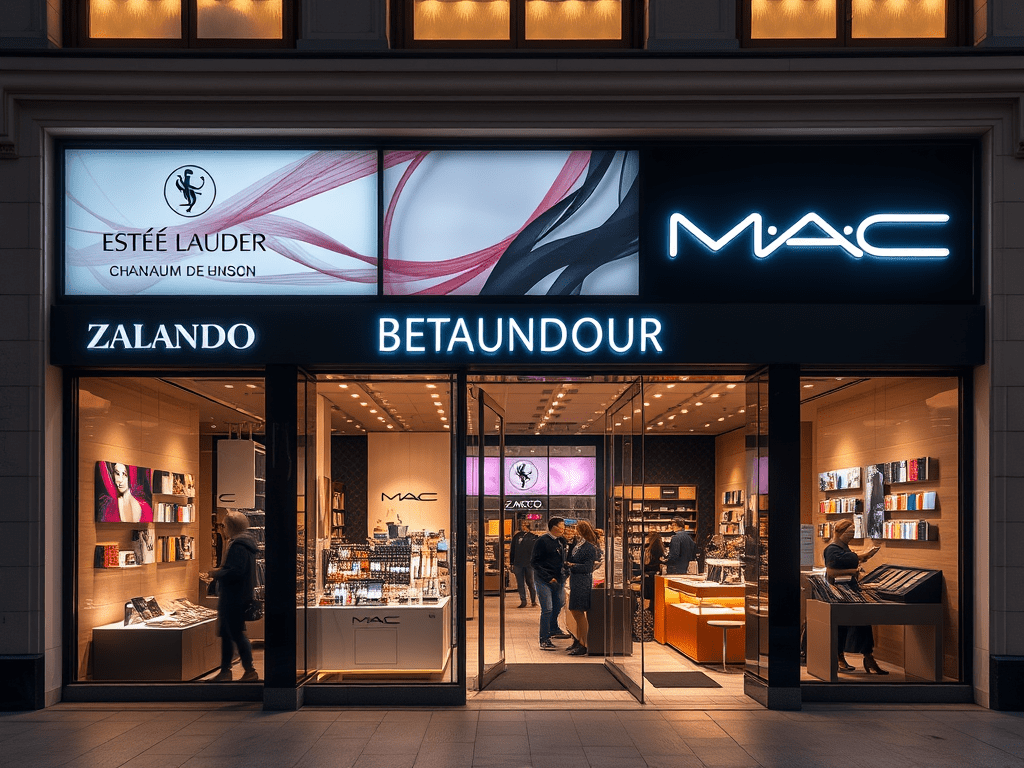
Zalando, one of Europe’s largest “pure player” online retailers, is making a bold move into the world of physical retail. This weekend, the company will open its very first beauty store in Berlin, marking a milestone in its evolution from a strictly digital marketplace to a brand that embraces the bricks-and-mortar experience.
For those unfamiliar with the term, a pure player is a retailer that operates exclusively online, without any physical sales outlets. Zalando has long been one of the shining examples of this model. In 2017 alone, it reported sales of around €4.5 billion — a figure that only about 200 retailers in the world can match. What makes this even more impressive is the speed of its rise: while most legacy retail giants have taken decades to reach such numbers, Zalando achieved it in less than 10 years. Globally, only Amazon, JD.com, Alibaba, eBay, and Otto outperform them in the online sales arena.
A New Chapter for Zalando
The opening of a beauty-focused store in Berlin’s trendy Mitte district is not just another retail launch — it’s a signal of strategic diversification. Until now, Zalando’s only forays into the offline world were its discount outlets, intended to clear excess inventory. These spaces, while open to the public, felt more like well-organized warehouses than traditional stores.
This new store, however, is designed with a more orthodox and consumer-oriented retail approach. Partnering with prestige beauty brands such as Estée Lauder, Clinique, and M.A.C., Zalando is blending online convenience with an immersive in-person experience.
Shoppers can expect:
- A wide range of beauty and cosmetics products
- Make-up masterclasses led by professional artists
- Exclusive product launches
- Express manicures
- Skin-care consultations
- Makeovers
This is not simply a place to buy beauty products — it’s an experiential hub where brand loyalty is built through personal connection.
Why This Matters
The move is significant for several reasons:
- Strategic Brand Positioning – Beauty is a lucrative market with high repeat purchase rates and strong margins. By opening a physical store, Zalando is reinforcing its credibility in this segment.
- Experiential Retail – E-commerce giants are recognizing that physical locations offer something a website cannot: tactile, sensory engagement and immediate gratification.
- Customer Acquisition – Physical stores can capture customers who may not shop online or who prefer trying products before purchasing.
- Marketing and PR Leverage – Partnering with big-name beauty brands lends additional prestige and visibility.
The Broader Trend: Pure Players Going Physical
Zalando’s step into bricks-and-mortar is not an isolated case. In recent years, several online-only retailers have crossed into physical retail, often with impressive results.
Examples:
- Amazon – The ultimate e-commerce titan shocked many by acquiring Whole Foods in 2017 and launching Amazon Go, its cashierless convenience store concept.
- Missguided – Once a purely online fast-fashion retailer, it opened flagship stores in the UK to increase brand presence.
- Warby Parker – Began online selling affordable glasses, later opening stylish showrooms across North America.
- Casper – The mattress-in-a-box disruptor now operates physical locations and partnerships with major department stores.
- Glossier – An online beauty brand that became famous for Instagram marketing now runs experiential pop-up and flagship stores.
Why Pure Players Are Moving Offline
Several forces are driving this shift:
- Brand Experience – Physical stores allow for deeper storytelling and direct customer engagement.
- Omnichannel Strategy – Blending online and offline creates a seamless shopping journey.
- Reduced Customer Acquisition Costs – With rising digital advertising costs, physical locations can serve as marketing channels.
- Product Testing & Feedback – In-person interactions provide valuable insights into customer preferences.
- Trust Building – Brick-and-mortar presence can increase credibility for online-born brands.
Comparative Table: Pure Players Moving to Bricks-and-Mortar
| Brand | Origin Sector | Year of First Store | Physical Store Concept | Strategic Goal | Example of Application in Beauty/Fashion |
|---|---|---|---|---|---|
| Zalando | Fashion & Beauty | 2023 (Beauty only) | Experiential beauty hub in Berlin with services | Strengthen beauty category & brand presence | Makeup classes, skincare consultations |
| Amazon | General Retail | 2017 (Whole Foods) | Grocery + cashierless stores (Amazon Go) | Physical footprint, food market entry | Beauty corners in Amazon Style stores |
| Glossier | Beauty | 2018 | Immersive, Instagram-friendly flagship stores | Build community & experiential retail | Try-before-you-buy beauty experiences |
| Warby Parker | Eyewear | 2013 | Minimalist showrooms | Omnichannel eyewear sales | Eye exams, frame fitting |
| Missguided | Fashion | 2016 | Trend-focused flagships | Brand awareness & impulse purchases | Limited edition product drops |
| Casper | Sleep Products | 2017 | Mattress testing lounges | Product trial & experiential marketing | Expansion into bedding & accessories |
Implications for the Industry
Zalando’s move confirms that the future of retail is not online vs. offline, but online + offline. As digital-first companies mature, physical spaces become strategic tools — not just sales channels, but marketing assets, brand temples, and community hubs.
If other European online giants follow suit — think Asos with flagship experiential stores or Farfetch launching boutique-style concept stores — the retail landscape could shift toward hybrid experiences, with the line between digital and physical disappearing altogether.
Final Takeaway
When a €4.5 billion e-commerce powerhouse like Zalando invests in a physical retail concept, it’s a clear sign that the store is far from dead. Instead, it’s being reimagined. And in that reimagining, beauty and fashion brands are finding fertile ground to blend technology, service, and experience into a unified customer journey.
I can also create an infographic layout version of this, showing Zalando’s move in the context of other e-commerce-to-retail shifts — perfect if you want to post it on LinkedIn or as a visual blog section.
 Estrategias efectivas para tu negocio.
Deja un comentario