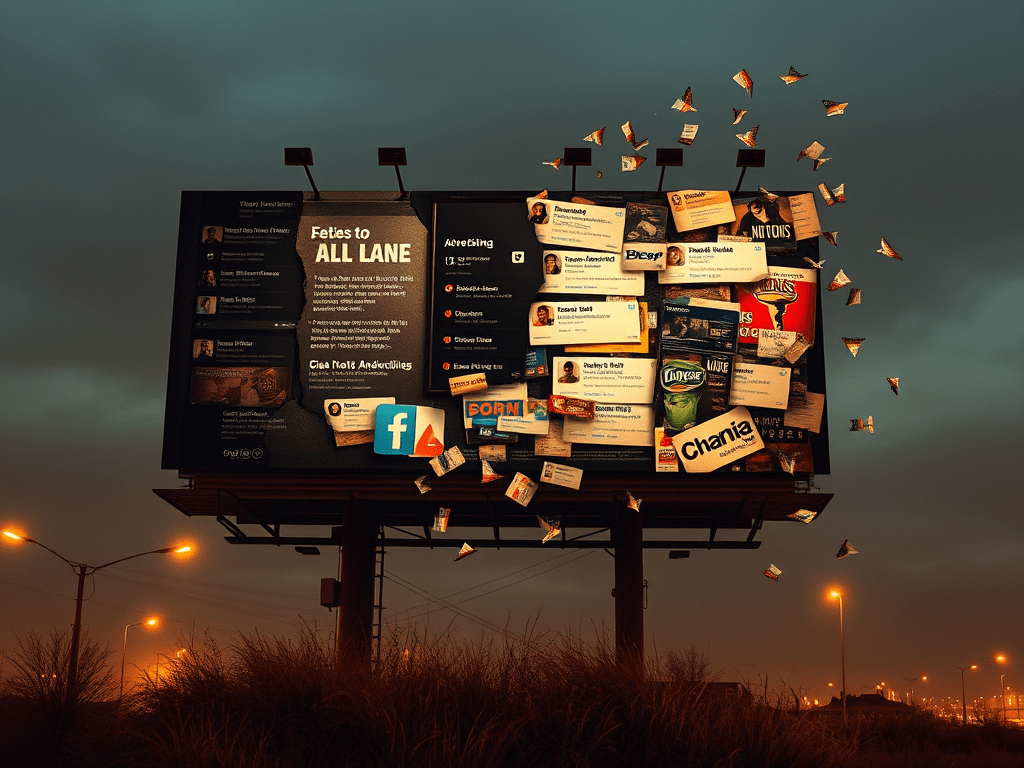
Last week, as I was scrolling through Twitter, a headline jumped out at me: Tom Cruise is dead. I—like millions of his fans—was briefly taken in by yet another celebrity death hoax. The rumour spread with breathtaking speed, with an “RIP Tom Cruise” page on Facebook drawing over a million followers in just a few hours. While some believed the story at first, others quickly recognised it for what it was: another symptom of the hoax-heavy, “Fake News” era.
Death hoaxes and sensationalist headlines aren’t new. What is new is the way modern adtech and programmatic advertising amplify them. Sensational content often drives more clicks, which translates into more ad revenue. That’s why I’m cautious whenever I read bold headlines proclaiming that “advertising is dead.”
Yes, the last few years have been turbulent. We’re facing the increasing dominance of the duopoly, mounting ad fraud, tightening regulations like GDPR, and widespread adoption of ad blockers. These are significant challenges. But when you look at the numbers, advertising spend is not shrinking—it’s growing. What’s happening isn’t the death of advertising, but a dramatic transformation.
The Challenges Shaping the Industry
- The Duopoly’s Grip
Google and Facebook capture the lion’s share of digital ad spend. Their unparalleled reach and sophisticated targeting tools give them immense influence, but also concentrate market power in two hands. Smaller publishers and ad networks must innovate to survive. - Ad Fraud and Trust Erosion
Bots, fake impressions, and click farms drain billions from ad budgets each year. This erodes trust between advertisers and platforms, pushing the industry to invest in verification technology and stricter partnerships. - Regulatory Pressures
Privacy laws like GDPR and CCPA have forced companies to overhaul how they collect and process user data. Compliance isn’t just a legal obligation—it’s becoming a competitive advantage. - The Rise of Ad Blockers
Frustrated by invasive formats, users are turning to blockers. The takeaway? Brands and publishers must create less intrusive, more relevant advertising if they want to be seen.
Why “Advertising Is Dead” Is Misleading
The phrase “advertising is dead” is as inaccurate as last week’s Tom Cruise rumour. Advertising isn’t dying—it’s evolving. The format, tone, and delivery are shifting toward integration, subtlety, and value.
We are seeing:
- Integration over interruption – Ads that fit seamlessly into content and user experience.
- Context over mass targeting – Focusing on where the message appears, not just who sees it.
- Creativity over volume – Campaigns built on storytelling, emotional resonance, and experiences rather than repetition.
Emerging Trends in the Future of Advertising
To understand where we’re headed, we need to watch the trends shaping tomorrow’s campaigns:
- Zero-Party Data Strategies
Brands will increasingly rely on data users willingly share (preferences, interests, feedback) to personalise experiences without crossing privacy boundaries. - Contextual AI Targeting
Artificial intelligence will refine contextual advertising, ensuring that ad placement is relevant not just to the viewer but to the environment and mood of the content. - Experiential and Immersive Formats
Augmented Reality (AR), Virtual Reality (VR), and live interactive experiences will become more common as brands seek deeper engagement. - Social Commerce and Shoppable Media
Platforms will blur the line between content and commerce, allowing users to buy directly from social posts, livestreams, or interactive videos. - Sustainability and Purpose-Driven Campaigns
Consumers increasingly expect brands to take a stand on environmental and social issues. Purpose-led advertising will be a key differentiator. - Creator-Led Storytelling
Brands will partner more with independent creators and influencers, leveraging authenticity and niche community reach over sheer audience size.
Trend Summary Table: The Future of Advertising
| Trend | Description | Example of Application |
|---|---|---|
| Zero-Party Data | Collecting data that users voluntarily share to personalise without privacy violations | A beauty brand asking customers their skin type in exchange for tailored product advice |
| Contextual AI Targeting | AI-driven ad placement based on content, mood, and context | A sportswear ad appearing in an article about marathon training rather than random sites |
| Experiential & Immersive | Engaging consumers through interactive, virtual, or real-world experiences | A car brand offering an AR test drive via smartphone |
| Social Commerce | Integrating shopping directly into social media platforms and content | Buying a product directly from an Instagram Reel or TikTok livestream |
| Purpose-Driven Campaigns | Advertising that promotes a brand’s stance on social and environmental issues | A clothing brand showcasing its commitment to sustainable fabrics in an ad series |
| Creator-Led Storytelling | Collaborating with influencers and independent creators to build authentic connections | A travel brand partnering with a micro-influencer to document a local eco-tourism trip |
Conclusion
Advertising isn’t disappearing; it’s becoming smarter, subtler, and more human. The future lies in experiences that blend seamlessly with content, respect privacy, and add value for the audience. In that world, the most successful advertising won’t feel like advertising at all—just part of the story,
 Estrategias efectivas para tu negocio.
Deja un comentario