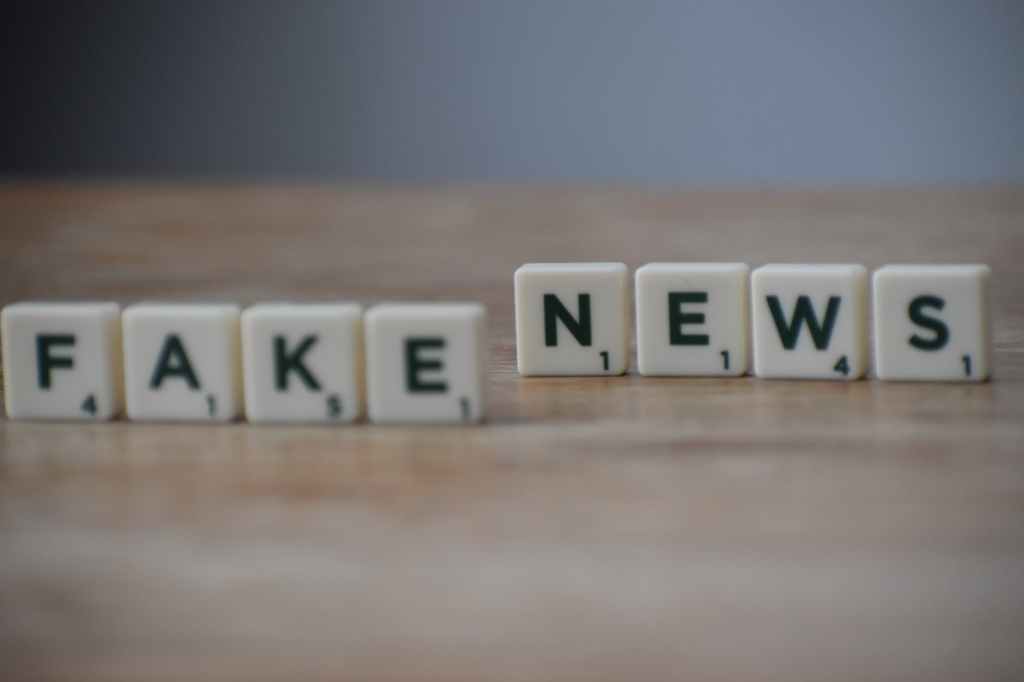
Fake news, or misinformation that is deliberately spread to deceive or mislead the public, has become a pervasive and serious problem in the digital age. Fake news can have negative consequences for individuals, such as reducing their trust in legitimate sources of information, influencing their political opinions and behaviors, and impairing their ability to make informed decisions. Therefore, it is important to understand why some people are more likely to believe in fake news than others, and what factors can affect their susceptibility to misinformation.
Fake news, often characterized by false or misleading information presented as factual news, has the potential to influence individuals’ beliefs, perceptions, and even decision-making processes. Understanding the determinants of individuals’ belief in fake news is crucial for addressing this growing problem. In this scoping review, we delve into the multifaceted factors that contribute to people’s susceptibility to fake news.
In this blog post, I will present a scoping review of the existing literature on the determinants of individuals’ belief in fake news. A scoping review is a type of systematic review that aims to map the key concepts, sources, and evidence on a broad topic. It does not assess the quality or strength of the evidence, but rather provides an overview of the main themes and gaps in the research. I will focus on the following research questions:
- What are the individual-level factors that influence people’s belief in fake news?
- What are the social-level factors that influence people’s belief in fake news?
- What are the media-level factors that influence people’s belief in fake news?
Individual-level factors
Individual-level factors refer to the psychological, cognitive, and motivational characteristics of a person that can affect their perception and evaluation of information. Some of the individual-level factors that have been found to influence people’s belief in fake news are:
- Confirmation bias: This is the tendency to seek, interpret, and remember information that confirms one’s pre-existing beliefs or expectations, and to ignore or discount information that contradicts them. Confirmation bias can make people more likely to believe in fake news that aligns with their political or ideological views, and less likely to question its validity or accuracy.
- Need for closure: This is the desire to reduce uncertainty and ambiguity by reaching quick and definitive judgments. Need for closure can make people more likely to believe in fake news that provides simple and clear explanations for complex and uncertain situations, and less likely to consider alternative perspectives or sources of information.
- Need for cognition: This is the extent to which a person enjoys engaging in effortful and complex thinking. Need for cognition can make people less likely to believe in fake news, as they tend to be more curious, skeptical, and analytical when processing information, and more likely to seek evidence and logic to support their beliefs.
- Emotions: Emotions can affect how people process and react to information, especially when it is emotionally arousing or relevant to their personal interests or values. Emotions can make people more likely to believe in fake news that triggers strong emotional responses, such as anger, fear, or joy, and less likely to apply critical thinking or fact-checking skills.
Information Source Credibility:
The credibility of the source from which news is obtained is a fundamental determinant of belief in fake news. Research has shown that individuals are more likely to believe information from established, reputable sources. Conversely, they are more skeptical of information from unknown or untrustworthy sources. However, the rise of misinformation on social media and the internet has blurred these lines, making it challenging for individuals to discern credible sources from unreliable ones.
Confirmation Bias:
Confirmation bias is a cognitive bias in which individuals tend to seek and accept information that aligns with their preexisting beliefs while dismissing or discrediting information that contradicts them. This bias plays a significant role in shaping people’s belief in fake news, as they may be more inclined to accept false information that reinforces their existing views.
Emotional Engagement:
Emotionally charged content is more likely to capture individuals’ attention and evoke strong reactions, making them more susceptible to believing and sharing fake news. Fake news stories often employ sensationalism, fear, or outrage to engage the audience emotionally, further amplifying their impact.
Social Influence:
Social networks and peer groups exert a powerful influence on individuals’ beliefs. People tend to conform to the beliefs and opinions of those in their social circles. This social reinforcement can lead to the widespread acceptance of fake news when it aligns with the prevailing views within a person’s social network.
Information Literacy:
A lack of information literacy skills can make individuals vulnerable to fake news. Being able to critically evaluate the credibility of sources, cross-reference information, and discern fact from opinion is crucial in resisting the influence of fake news.
Algorithmic Recommendations:
Online platforms use algorithms to curate content for users, often leading to filter bubbles and echo chambers where individuals are exposed to information that aligns with their existing beliefs. This personalized content delivery can reinforce confirmation bias and increase belief in fake news.
Political Ideology:
Research has shown that individuals’ political ideology can influence their susceptibility to fake news. People may be more inclined to believe fake news that aligns with their political beliefs, even if it is demonstrably false.
What are the most common types of fake news
There are several common types of fake news, including
Satire or parody: False stories published with the purpose of satirizing the media.
Misleading news: Information that is partly true but is used out of context.
Clickbait: Shocking headlines that seek to drive traffic to the site, often without support in the article they link to.
Propaganda: Information that seeks to promote a political or ideological agenda.
Conspiracy: Theories that present alternative, unverified explanations for events.
These types of fake news can have a significant impact on public perception and decision-making, so it’s important to keep an eye out for them.
Howe to spoot fake news
There are several ways to detect fake news, including:
- Check the source: Check the website where the news comes from, checking if it seems real, if the text is well written and if there are a variety of other stories. Fake news sites often use addresses that sound like real newspapers, but have few real stories on other topics.
- Look for other sources: Check if the news appears on other known and trusted news sites. If it is found on many other sites, it is likely not fake, as many major news organizations try to verify their sources before publishing a story.
- Check the photos: Many fake news stories use modified images or images taken from unrelated sites. It is important to verify the authenticity of the images.
- Evaluate other signs: Be attentive to other techniques that fake news uses, such as the use of capital letters or the presence of numerous advertisements when clicking on a link.
In addition, it is important to read beyond the headlines, verify the date of the news, and question one’s own biases when consuming information.
Some of the common characteristics of fake news include:
- Inaccurate information: Fake news often contains information that is false or inaccurate, which can be verified through reliable sources..
- Optimized for sharing: Fake news is designed to be shared quickly online, often appealing to strong emotions or creating sensationalism..
- Motivated by manipulation: They can be created with the purpose of manipulating public opinion or promoting a political or ideological agenda..
- Sensationalism: Some fake news relies on exaggerated or shocking stories to attract attention and generate clicks..
- Poor journalistic quality: Sometimes fake news is the result of poor journalism, with little fact-checking or misleading headlines..
These features can help identify fake news and encourage more critical information consumption.
Increasing citizen awareness and the use of technological tools, such as algorithms and detection of fake accounts, are also part of the efforts to combat fake news
Difference between fake news an deepfakes
Fake news and deepfakes are different phenomena. Fake news refers to the spread of inaccurate or misleading information, often for the purpose of misinforming or manipulating. On the other hand, deepfakes are videos or images in which a person’s face has been swapped or digitally altered using artificial intelligence (AI), which can lead to visually misleading content. While fake news covers a broader range of misinformation, deepfakes focus specifically on the manipulation of visual content through AI
Deepfakes can be used to spread fake news by creating videos that appear to show real people saying or doing things that they have not actually said or done. This may include creating false speeches from public figures or spreading misleading information. Deepfakes, being increasingly realistic, can be used to spread disinformation and manipulate public opinion, which represents a significant challenge in the fight against fake news
How can deepfakes be used for positive purposes
Deepfake technology has the potential to be used for positive purposes, including:
- Improved visual effects: It can be used to create more realistic visual effects in films, television shows and other media, leading to a more immersive and engaging visual experience for audiences.
- Educational applications: Deepfake technology could be used to create educational videos, such as realistic recreations of historical speeches or scientific discoveries, which could improve student understanding and engagement.
- Improved simulations: It could be used to create realistic simulations in fields such as aviation, military and healthcare, helping to prepare professionals for real-life scenarios and improve their decision-making.
- Greater accessibility: Deepfake technology could be used to create subtitles or translations, which would make audiovisual content more accessible for people who are hearing impaired or who speak different languages.
Some examples of deepfakes being used for positive purposes
These examples illustrate how deepfake technology can have positive applications in various areas, despite concerns about its misuse.
- Improved visual effects in films and television: Deepfake technology can be used to create more realistic visual effects, leading to a more immersive and engaging viewing experience for audiences..
- Educational applications: Deepfakes could be used to create educational videos, such as realistic recreations of historical speeches or scientific discoveries, which could improve student understanding and engagement.
- Realistic simulations: Deepfake technology could be used to create realistic simulations in fields such as aviation, military and healthcare, helping prepare professionals for real-life scenarios and improve their decision-making.
What are some examples of deepfakes and ai content
Some notable examples of deepfakes and artificial intelligence (AI) generated content include:
- Tom Cruise TikTok video: Videos were created showing Tom Cruise’s face on another person’s body, raising concerns about spreading misinformation.
- AI-generated images that went viral in 2023: Advancement in deepfake technology has led to the creation of increasingly convincing images, making it difficult to distinguish between real and fake.
- Celebrity deepfakes: Deepfakes of celebrities such as Nicki Minaj, Tom Holland, Morgan Freeman, Jim Carrey and Tom Cruise have been created, raising concerns about the potential for misuse of this technology.
These examples illustrate both the entertaining potential and the ethical and safety concerns associated with deepfakes and AI-generated content.
Conclusion:
Belief in fake news is a complex phenomenon influenced by a variety of interconnected factors. Recognizing these determinants is crucial for developing strategies to combat the spread of misinformation and enhance media literacy. Educating individuals on how to critically evaluate information, promoting diverse and balanced sources of news, and fostering a culture of skepticism can all contribute to reducing the impact of fake news on society. Additionally, technology companies and social media platforms must play a role in mitigating the spread of false information by refining their algorithms and promoting responsible content dissemination. By addressing these determinants comprehensively, we can work towards a more informed and resilient society in the face of fake news.
Recommended Reading
- Deepfake AI-generated images that went viral in 2023
- Examples of Deepfake Technology That Didn’t Look Very Fake
- The Best (And Scariest) Examples Of AI-Enabled Deepfakes
- 21 of the best deepfake examples that terrified and amused the internet
- Practice Innovations: Seeing is no longer believing — the rise of deepfakes
- What Are The Positive Applications of Deepfakes?
- Positive Use Cases of Synthetic Media (aka Deepfakes)
- 3 Ways In Which Deepfakes Can Be Used Positively
- Fake News / Deepfakes
- Deepfakes and the intensification of fake news
- A family guide to talking about misinformation and deepfakes
 Estrategias efectivas para tu negocio.
Deja un comentario