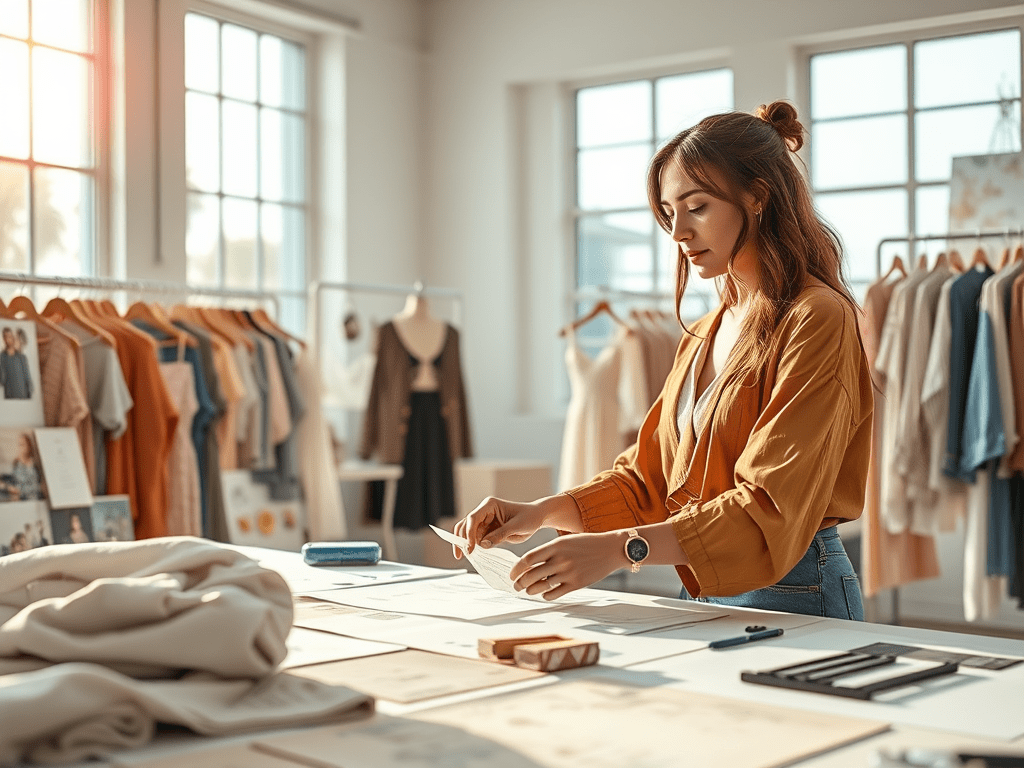
The fashion retail landscape is undergoing a seismic shift, driven by digital connectivity and changing consumer expectations. H&M’s strategic pivot towards influencer-driven collections—partnering with digital creators like Julie Sariñana (Sincerely Jules), Elodie David (Pixie Mood), and Olivia Jade—signals a profound reimagining of design, marketing, and consumer engagement. This move transcends mere celebrity endorsement, embedding influencers directly into the product creation lifecycle. But does this model represent a sustainable future for the industry?
Beyond Endorsement: The Core of H&M’s Influencer Model
H&M’s approach is fundamentally distinct:
- Co-Creation as Standard: Influencers aren’t just faces of campaigns; they lead the design process, infusing collections with their authentic aesthetic and functional preferences (e.g., Sincerely Jules’ focus on versatile, California-cool pieces).
- Audience as Co-Conspirators: Design teasers, fabric selections, and behind-the-scenes content are shared in real-time via the influencer’s channels, fostering a sense of ownership and anticipation within their dedicated communities.
- Hyper-Targeted Reach: Each collaboration bypasses broad demographics to speak directly to the influencer’s specific, highly-engaged follower base, ensuring built-in demand.
- Data-Driven Relevance: Influencers bring intimate knowledge of their audience’s preferences, enabling H&M to create collections with higher predicted resonance than traditional trend forecasting alone.
Case Study: The «Sincerely Jules» Effect
Julie Sariñana’s multi-season collaboration exemplifies the model’s power:
- Process: Jules actively shared mood boards, vintage inspirations, and design iterations with her 1M+ Instagram followers, incorporating their feedback.
- Collection: Resulted in breezy silhouettes, retro prints, and elevated basics reflecting her signature style – items distinct from H&M’s mainline offerings.
- Launch: Promoted almost exclusively through her channels and H&M’s digital platforms, driving significant online traffic and rapid sell-outs of key pieces. The campaign generated an estimated 3.5x higher engagement than traditional H&M campaigns at the time.
Why This Model Resonates in the Digital Age
- Authenticity Sells: Consumers crave genuine connections. An influencer’s vested interest in a collection they helped create feels inherently more authentic than a standard celebrity ad.
- Community Building: Collaborations transform passive shoppers into active participants in the brand story.
- Agility & Relevance: Faster design-to-market cycles (leveraging influencer insights) allow quicker responses to micro-trends compared to traditional fashion calendars.
- Amplified Marketing ROI: Leveraging the influencer’s organic reach significantly reduces customer acquisition costs per campaign.
Challenges and Critical Considerations
- Scaling Authenticity: As the number of collaborations grows, maintaining genuine co-creation (vs. superficial branding) becomes harder. Oversaturation is a real risk.
- Influencer Volatility: An influencer’s reputation is fragile; controversies can directly tarnish the associated collection and H&M’s brand.
- Brand Identity Dilution: Heavy reliance on diverse influencer aesthetics could blur H&M’s core brand identity over time.
- Sustainability Questions: The «drop» model often associated with these launches can fuel overconsumption, conflicting with growing demands for sustainable practices. H&M must reconcile hype with circularity.
- Exclusivity vs. Accessibility: Limited quantities drive desire but frustrate consumers. Balancing hype with availability is crucial.
Comparison: Traditional vs. Influencer-Driven Fashion Lines
| Feature | Traditional Fashion Line | Influencer-Driven Line (e.g., H&M Model) |
|---|---|---|
| Design Driver | Internal Design Team + Trend Forecasters | Influencer Vision + Audience Feedback |
| Marketing Focus | Broad Brand Campaigns (TV, Print, Billboards) | Hyper-Targeted via Influencer Channels |
| Audience Reach | Mass Market, Demographics | Niche, Community-Based, High Engagement |
| Launch Strategy | Seasonal Calendar, Wide Distribution | «Drop» Culture, Limited Quantities/Exclusivity |
| Consumer Connection | Transactional, Brand Loyalty | Community-Driven, Perceived Authenticity |
| Speed to Market | Longer (12-18 month cycles) | Relatively Faster (6-12 months) |
| Risk | Market Misreads, Inventory Overload | Influencer Reputation, Hype Backlash |
| Brand Control | High (Centralized Creative) | Shared (Influencer Aesthetic Integration) |
The Verdict: A Powerful Tool, Not the Sole Future
H&M’s influencer strategy is undeniably a significant evolution in fast fashion, masterfully leveraging digital culture and community power. It effectively drives buzz, taps into precise consumer desires, and revitalizes product offerings.
However, labeling it the definitive «future of fashion» overstates the case. It excels at generating hype and targeted relevance but faces inherent limitations regarding scalability, sustainability, and brand coherence. The most resilient future likely lies in a hybrid approach:
- Influencer Collaborations: For targeted audience expansion, innovation sparks, and community building.
- Core Brand Strength: Maintaining a strong, recognizable mainline identity and quality.
- Sustainable Innovation: Investing in circularity, transparency, and durable design beyond the «drop» model.
- Diverse Partnerships: Combining influencers with designer collabs, licensed IP, and in-house design talent.
Conclusion:
H&M’s influencer-driven lines are not a replacement for traditional fashion but a sophisticated, data-enhanced extension of it. They represent a crucial adaptation to the social media era, proving that co-creation and community are powerful commercial forces. While challenges around authenticity and sustainability persist, this model has irrevocably altered how brands engage consumers. The future belongs not solely to influencer lines, but to brands that can strategically integrate such collaborations within a broader, adaptable, and responsible ecosystem – a lesson H&M is actively teaching the industry. The success will lie in balancing the explosive power of influencer hype with long-term brand integrity and ethical practices.
 Estrategias efectivas para tu negocio.
Deja un comentario