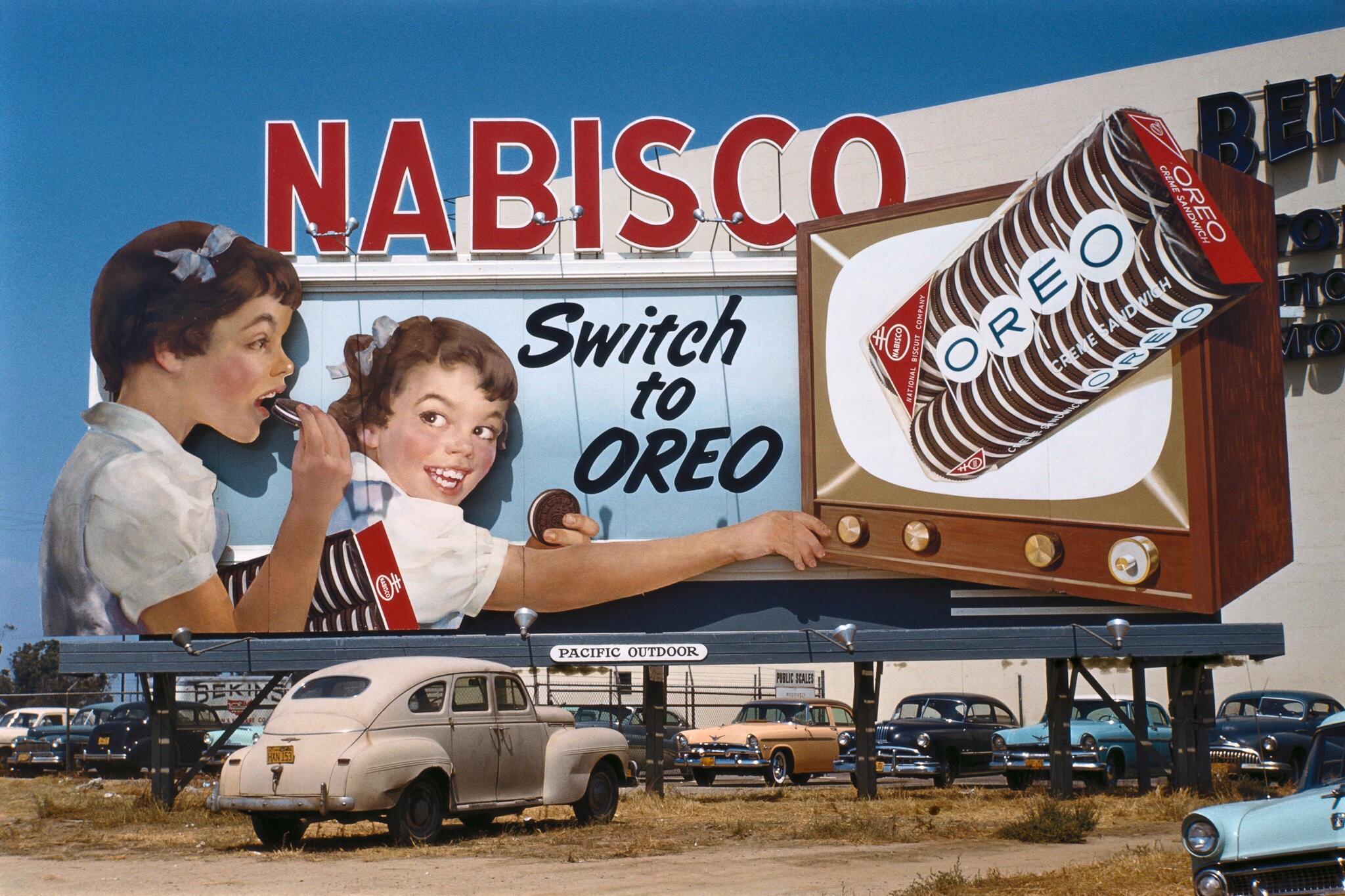
Introduction: The End of the Mad Men Era?
For decades, advertising was portrayed as a glamorous world of creativity, intuition, persuasion, and larger-than-life personalities. Popular culture immortalized this image through television series such as Mad Men, where charismatic executives shaped consumer behavior through brilliant campaigns, expensive lunches, and instinctive understanding of human desires.
Yet the advertising industry that once revolved around creative genius and media buying has undergone one of the most profound transformations in modern business history.
Today, advertising is no longer driven solely by creative directors and copywriters. It is increasingly influenced by algorithms, artificial intelligence, data scientists, platforms, automation, and machine learning. The traditional «Mad Men» have been joined—and in some cases replaced—by the «Math Men.»
Ken Auletta’s book Frenemies: The Epic Disruption of the Advertising Industry (and Why This Matters) explored this transformation at a pivotal moment. His analysis remains surprisingly relevant because the forces he described have only accelerated.
The story of advertising is no longer just about advertising.
- It is about disruption.
- It is about technology.
- It is about customer data.
- It is about power.
And ultimately, it is about survival in an age where every industry is being reinvented.
The lessons learned from advertising can help marketers, retailers, manufacturers, startups, and business leaders understand how to navigate their own transformations.
Advertising: The Invisible Engine of Modern Business
Most people underestimate the role advertising plays in the global economy.
Advertising does far more than sell products.
It finances:
- Media companies
- Search engines
- Social networks
- Streaming services
- News organizations
- Content creators
- Sports sponsorships
- Entertainment industries
Without advertising revenue, many of the platforms we use daily would not exist in their current form. Ken Auletta argued that advertising represents one of the largest industries in the world and serves as a hidden economic engine supporting countless other sectors.
This makes the disruption of advertising particularly significant.
When advertising changes, entire ecosystems change with it.
From Mad Men to Math Men
One of the most important shifts of the past two decades has been the movement from intuition-driven marketing to data-driven marketing.
Historically, advertising agencies sold creativity.
Today they sell insights.
In the past, success depended on understanding culture, emotions, and storytelling.
Now success increasingly depends on understanding:
- Consumer behavior
- Data analytics
- Algorithms
- Audience segmentation
- Attribution models
- Programmatic advertising
- Artificial intelligence
The rise of Google and Facebook transformed the industry because they offered something agencies could never fully provide: precise targeting at scale. They turned advertising into a science of prediction rather than a craft of persuasion.
This shift changed the balance of power forever.
Data Became More Valuable Than Creativity
Perhaps the most important lesson from the advertising industry’s transformation is that data became the new currency.
For decades, agencies competed based on ideas.
Today, companies compete based on information.
The organizations that understand customers best gain a significant advantage.
Google knows what people search for.
Meta knows what people like and share.
Amazon knows what people buy.
Netflix knows what people watch.
Spotify knows what people listen to.
The value of these companies comes not only from their technology but from their ability to collect, analyze, and monetize consumer behavior.
Advertising became the first industry to fully experience this reality.
Now every industry is facing the same challenge.
Retailers.
Banks.
Manufacturers.
Healthcare organizations.
Educational institutions.
All are becoming data businesses.
The question is no longer:
«How good is your product?»
The question increasingly becomes:
«How well do you understand your customer?»
Google and Facebook Changed the Rules
Traditional agencies once controlled the relationship between brands and audiences.
Then Google and Facebook arrived.
Initially, agencies viewed these companies as partners.
Later they viewed them as competitors.
Eventually they became both.
This is the essence of Auletta’s concept of «frenemies»—organizations that simultaneously cooperate and compete.
The relationship between brands, agencies, platforms, and technology providers became increasingly complex.
A retailer may rely on Google Ads to acquire customers.
At the same time, Google may compete with that retailer through shopping services.
A media company may depend on Facebook traffic.
At the same time, Facebook captures advertising revenue that once belonged to publishers.
This phenomenon is now common across industries.
Today’s partners may become tomorrow’s competitors.
Business leaders must learn to manage these paradoxical relationships.
The Rise of the Platform Economy
Advertising was among the first sectors to experience platform dominance.
Platforms changed everything because they connected:
- Consumers
- Brands
- Content creators
- Advertisers
- Data providers
Instead of owning the customer relationship directly, many companies became dependent on platforms.
This created new risks.
Changes in:
- Algorithms
- Privacy rules
- Advertising costs
- Search rankings
could instantly affect business performance.
Many brands discovered that they had outsourced their customer relationships to technology companies.
The lesson is clear.
Businesses should leverage platforms but never become completely dependent on them.
Building owned audiences remains essential.
Email databases.
Communities.
Loyalty programs.
Customer clubs.
First-party data.
These assets are becoming more valuable every year.
Creativity Is Still Alive
A common misconception is that technology has replaced creativity.
It has not.
Technology changed the battlefield.
Creativity remains one of the few sustainable competitive advantages.
Consumers are exposed to thousands of commercial messages every day.
Algorithms can optimize delivery.
They cannot easily create emotional resonance.
The most successful campaigns still combine:
- Data
- Strategy
- Creativity
- Storytelling
The difference is that creativity must now prove its effectiveness through measurable outcomes.
The era of creativity without accountability is over.
But creativity itself remains indispensable.
The Customer Became More Powerful
Another major transformation identified in the advertising world is the shift in power toward consumers.
Historically, brands controlled communication.
Advertising was one-directional.
Companies talked.
Customers listened.
Today customers respond instantly.
They review.
They comment.
They criticize.
They share experiences.
They influence others.
Social media transformed every customer into a potential publisher.
This means brands must earn attention rather than simply buy it.
Trust has become more valuable than exposure.
Reputation has become more important than reach.
Authenticity has become more important than polished messaging.
This lesson applies far beyond advertising.
Every company today is operating in a world where customers have unprecedented influence.
Why Traditional Agencies Struggled
Many large agencies found themselves under pressure because they were built for a different era.
Their structures were optimized for:
- Television
- Print media
- Radio
- Mass communication
Digital transformation required:
- New skills
- New technologies
- New talent
- New business models
Many agencies responded through acquisitions.
Others invested heavily in analytics.
Some partnered with technology firms.
Others failed to adapt quickly enough.
The challenge was not technological.
It was cultural.
This is an important lesson for every organization.
Transformation rarely fails because technology is unavailable.
Transformation fails because people resist change.
The Consultancy Threat
One of the most significant developments in the advertising industry was the arrival of management consulting firms.
Organizations such as consulting giants entered areas traditionally controlled by agencies.
Why?
Because marketing became increasingly linked to:
- Customer experience
- Digital transformation
- Technology implementation
- Business strategy
Advertising was no longer isolated from business operations.
As a result, consulting firms moved into creative and marketing services.
The lesson is powerful.
Industry boundaries are disappearing.
Your competitors may no longer come from your industry.
They may come from adjacent sectors.
Or from entirely different sectors.
This reality affects every business today.
Privacy Became the New Battleground
The advertising industry also became the first major battleground over privacy.
The collection of consumer data created enormous opportunities.
It also created enormous risks.
Questions emerged:
- Who owns customer data?
- How should it be used?
- What level of transparency is required?
- Where should regulators intervene?
The debate continues today.
Consumers want personalization.
They also want privacy.
Businesses must balance both expectations.
Organizations that build trust through responsible data practices will enjoy a long-term advantage.
Trust is becoming a strategic asset.
Artificial Intelligence: The Next Disruption
If data transformed advertising once, artificial intelligence is transforming it again.
AI is already changing:
- Audience targeting
- Content creation
- Campaign optimization
- Customer service
- Media buying
- Performance analysis
Many routine tasks are becoming automated.
This raises an important question:
Will AI replace marketers?
Probably not.
But it will replace marketers who refuse to use AI.
The future belongs to professionals who combine:
- Human creativity
- Strategic thinking
- Emotional intelligence
- Technological literacy
The winners will not be purely creative.
Nor purely technical.
They will be hybrid professionals.
Lessons for Every Business
The advertising industry’s transformation offers lessons for organizations in every sector.
1. Disruption Usually Comes from Outside
Few agencies expected Google and Facebook to dominate advertising.
Likewise, most industries fail to anticipate their future competitors.
Always monitor adjacent markets.
2. Customer Knowledge Is a Competitive Advantage
The better you understand your customers, the harder it becomes for competitors to replace you.
3. Technology Is Not a Strategy
Technology enables change.
It does not define direction.
Strategy still matters.
4. Adaptability Beats Size
Many smaller firms adapted faster than industry giants.
Agility often matters more than scale.
5. Data Without Creativity Is Not Enough
Numbers explain behavior.
Stories inspire action.
Successful companies need both.
6. Partnerships Are Complex
Today’s allies may become tomorrow’s competitors.
Manage partnerships strategically.
7. Trust Matters More Than Ever
In a world flooded with information, trust becomes a differentiator.
What This Means for Marketing Leaders
Marketing leaders face a challenge unlike any previous generation.
They must understand:
- Brand building
- Technology
- Analytics
- Customer experience
- Artificial intelligence
- Privacy regulation
- Organizational change
The modern CMO is no longer simply a communication expert.
The modern CMO is a business strategist.
Marketing increasingly influences:
- Revenue growth
- Innovation
- Digital transformation
- Customer loyalty
- Corporate reputation
This expanded role creates enormous opportunities.
But it also increases accountability.
Conclusion: The Stakes Are Still High
The era of the classic Mad Men may be over.
The three-martini lunches have largely disappeared.
The industry has become more technical, more measurable, and more complex.
Yet one thing has not changed.
The stakes remain extraordinarily high.
Advertising continues to shape markets, influence culture, and determine which companies thrive and which disappear.
Ken Auletta’s analysis of the industry’s disruption remains remarkably relevant because it describes a challenge that extends far beyond advertising itself. The forces that transformed agencies—technology, data, platforms, consumer empowerment, and artificial intelligence—are transforming every industry today.
The real lesson is not about advertising.
It is about adaptation.
Organizations that embrace change, invest in learning, combine creativity with analytics, and keep customers at the center of their decisions will continue to grow.
Those that cling to yesterday’s business models may discover that disruption is not something that happens to other industries.
It happens to everyone.
The question is not whether change is coming.
The question is whether we are prepared for it.
Deja una respuesta